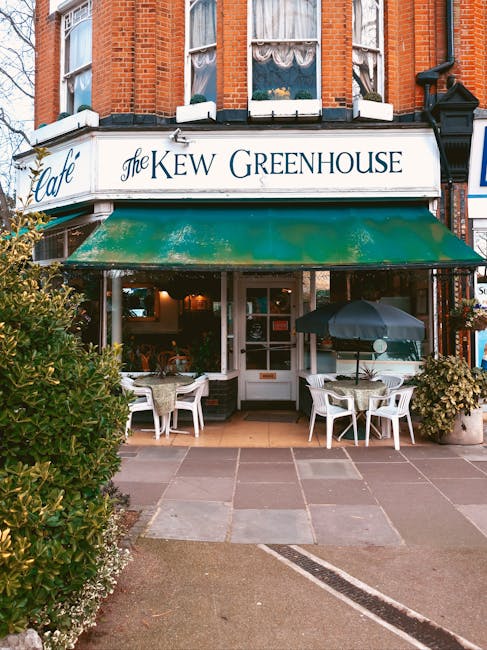
Commercial gardeners for Harrow on the Hill shops and cafes: a practical guide to smarter, sharper outdoor spaces
If you run a shop, cafe, deli, salon, or hospitality venue in Harrow on the Hill, your outdoor space is doing more work than you might think. It frames the first impression, sets the tone before a customer even steps inside, and quietly tells people whether the place feels cared for. That is why commercial gardeners for Harrow on the Hill shops and cafes matter so much. A tidy entrance, healthy planting, clean paving, and seasonal attention can make a small frontage feel welcoming, calm, and worth stopping for.
To be fair, commercial gardening is not just about keeping things "nice". It is about making sure the space looks good on a wet Tuesday morning, copes with foot traffic and changing weather, and still feels fresh when the lunchtime rush begins. In this guide, you will find a clear explanation of how the service works, what it should include, who needs it, and how to choose the right support without overbuying or underestimating the job.
You will also find practical advice on seasonal maintenance, compliance, and the little details that often get overlooked. The small stuff matters. It really does.
Table of Contents
- Why Commercial gardeners for Harrow on the Hill shops and cafes Matters
- How Commercial gardeners for Harrow on the Hill shops and cafes Works
- Key Benefits and Practical Advantages
- Who This Is For and When It Makes Sense
- Step-by-Step Guidance
- Expert Tips for Better Results
- Common Mistakes to Avoid
- Tools, Resources and Recommendations
- Law, Compliance, Standards, or Best Practice
- Options, Methods, or Comparison Table
- Case Study or Real-World Example
- Practical Checklist
- Conclusion
- Frequently Asked Questions
Why Commercial gardeners for Harrow on the Hill shops and cafes Matters
Retail and hospitality businesses live or die on perception. A customer may forgive a menu delay or a busy till, but they will notice a neglected planter, weeds in the paving, or dead hanging baskets. In a place like Harrow on the Hill, where character and presentation count, outdoor upkeep is part of the brand experience.
Commercial gardens and frontages are different from private gardens. They need to look presentable more often, survive higher use, and remain safe for customers, delivery staff, and passers-by. A cafe terrace with damp, slippery algae on the path is more than untidy; it becomes a practical risk. A shopfront with overgrown shrubs can block signage, reduce light, and make the business feel closed even when it is open.
There is also the local rhythm to think about. Early mornings, commuter traffic, lunch service, weekend browsing, occasional weather drama, and the odd gust that seems to appear out of nowhere. A commercial gardener understands that the work has to fit around trading hours and not get in the way. If you've ever tried to carry a tray of coffees past a hedge that has gone a bit wild, you'll know what I mean.
Expert summary: For shops and cafes, commercial gardening is not a decorative extra. It is a practical service that protects first impressions, supports safety, and keeps outdoor spaces ready for business day after day.
How Commercial gardeners for Harrow on the Hill shops and cafes Works
The process usually begins with a site visit or a walkaround conversation. That first look matters because every frontage behaves differently. Some cafes rely on containers, window boxes, and small seating pockets. Some shops have narrow pavements, wall planters, or a back courtyard that customers only glimpse from inside. Others need broader maintenance: hedging, lawn care, border planting, pressure cleaning, or ongoing plant replacement.
A good commercial gardening plan normally covers four things:
- Assessment: what is growing well, what looks tired, what creates risk, and what needs a quicker fix.
- Schedule: how often visits should happen, based on footfall, season, and how visible the space is.
- Maintenance tasks: pruning, mowing, weeding, feeding, deadheading, watering, and cleaning hard surfaces.
- Presentation goals: whether the aim is neat and minimal, soft and welcoming, herb-led, privacy-focused, or seasonal colour.
In practice, a lot of the work is about consistency. One good tidy-up is helpful. A steady pattern is better. A shopfront that looks crisp every week builds trust faster than one that gets a heroic makeover once a quarter.
For some venues, the work may also include design thinking. Container arrangements can soften a hard pavement edge, while the right climbers can add greenery without swallowing space. If your business is short on room, modern container gardening can be a smart way to bring colour and structure without sacrificing access.
When shading, privacy, or a blank wall becomes part of the brief, vertical planting can help too. A well-chosen climber can lift the whole frontage, and for awkward corners, vertical gardening ideas are often more practical than adding bulky pots everywhere.
Key Benefits and Practical Advantages
The value of commercial gardening is not abstract. You see it in the day-to-day running of the business.
- Better curb appeal: Customers tend to trust places that look cared for. A neat frontage suggests attention to detail inside too.
- Safer access: Trimmed growth, clear paths, and clean paving reduce trip and slip risks.
- Improved atmosphere: Plants soften hard edges, reduce visual clutter, and make outdoor seating feel more relaxed.
- Less staff burden: Your team should be serving customers, not fighting weeds with a trowel between orders.
- Seasonal adaptability: Planting schemes and maintenance routines can shift with weather, trading patterns, and customer use.
- Longer plant life: Proper care means less replacement and fewer "why is this dying again?" moments.
There is also a quieter commercial benefit: a well-kept exterior can encourage people to linger. That matters for cafes especially. If someone feels comfortable enough to sit outside for one more coffee, or to glance at the cake counter from the terrace, the garden is doing commercial work, not just visual work.
And in the background, solid maintenance can support sustainability too. Thoughtful soil care, resilient planting, and sensible watering reduce waste and make the space less fragile. If you want a broader view of how planting can support environmental goals, this piece on the role of plants and gardens in climate change reversal is a useful read.
Who This Is For and When It Makes Sense
This service makes sense for any Harrow on the Hill business where presentation and outdoor upkeep affect customer experience. That includes independent shops, coffee spots, bakeries, pubs with terraces, salons with street-facing planters, small hospitality venues, and mixed-use premises with shared outdoor areas.
It is especially useful if you are dealing with any of the following:
- frontage plants that look tired between seasons
- outdoor seating that needs to stay clean and inviting
- hedges or shrubs blocking signs, windows, or sightlines
- lumpy, patchy, or weed-prone borders
- limited staff time for upkeep
- concerns about safety, access, or appearance in bad weather
It also makes sense if your business has a strong brand identity and the outdoor area needs to reflect it. A minimalist cafe may want restrained, architectural planting. A neighbourhood bakery may want something warmer and more colourful. A shop with a premium feel may want crisp edging and immaculate container planting rather than a lot of visual noise. Different businesses, different jobs.
If you are not sure whether your space needs full maintenance or just periodic help, ask yourself one simple question: does the area stay presentable on its own for the length of time you need it to? If the answer is no, you probably need a commercial plan rather than ad hoc fixes.
Step-by-Step Guidance
Here is a practical way to approach commercial garden care for a shop or cafe without overcomplicating things.
- Walk the space as a customer would. Start at the pavement, approach the entrance, and notice what people see first. Signage, pots, paving, railings, overgrowth, and lighting all matter.
- List the pain points. Is it weeds, leaf litter, patchy planting, slippery paving, dead containers, or a lack of privacy? Be specific.
- Decide what must look perfect, and what just needs to be tidy. A cafe terrace might need "always ready" treatment, while a rear yard may only need periodic maintenance.
- Choose the right service mix. That may include garden maintenance, patio cleaning, lawn mowing, lawn care, or more structural support such as landscaping.
- Set a visit rhythm. Weekly, fortnightly, monthly, or seasonal. The right cadence depends on growth rate, footfall, and visibility.
- Build in seasonal tasks. Spring refreshes, summer watering checks, autumn leaf clearance, and winter protection all have a place. If the space is exposed, adverse weather protection ideas can help keep the space stable.
- Review and refine. After a few visits, check what is working. Maybe a plant choice is too thirsty. Maybe the hedge wants more disciplined trimming. Maybe one planter always dries out first because of wind exposure. Real-world sites teach you quickly.
A small but important point: plan for accessibility while you plan for appearance. Seating should not creep into routes, pots should not pinch the walkway, and door access should remain obvious. It sounds obvious. Yet somehow the least obvious things are the ones people trip over, literally and otherwise.
Expert Tips for Better Results
After enough commercial frontage work, certain patterns become obvious. These are the details that help a space stay tidy and professional instead of simply "fixed for today".
- Use repeat planting intelligently. Repeating a few species creates a calmer look than packing in too many varieties. Customers read that as confidence.
- Choose resilient plants for exposed spots. For difficult edges, it helps to think in terms of toughness first, beauty second, then balance both.
- Don't ignore soil health. A planter can look polished above the surface and still struggle underneath. If the soil is tired, the whole display will eventually show it. The article on boosting soil nutrition is useful here.
- Keep sightlines open. Entrances should feel safe and welcoming. Trim back what blocks windows, signage, and lighting.
- Design for winter, not just summer. A lot of businesses look lovely in June and rather forlorn by January. Evergreen structure helps. So does planning ahead with winter care.
- Use containers where root space is limited. Many shop and cafe frontages simply do not have room for ground borders. Containers let you control shape, mobility, and seasonal swaps.
One more tip, and it sounds almost too simple: photograph the frontage after each maintenance visit. That gives you a visual record and helps spot slow decline before it becomes obvious to customers. Also, it saves the slightly awkward "was it always that dead?" conversation later on.
Common Mistakes to Avoid
These are the issues that tend to cost businesses time, money, or both. They are easy to miss at first.
- Choosing plants for looks only. A fragile plant that needs constant attention may not be right for a busy frontage.
- Ignoring irrigation. If nobody has a workable watering plan, container displays can go downhill quickly during dry spells.
- Letting hedges and shrubs grow too large. Overgrowth creates a closed-in feel and can hide entrances or signage.
- Mixing too many styles. A frontage that tries to do everything often ends up looking unsettled.
- Forgetting cleaning as part of gardening. Leaves, mud, algae, and debris are part of the job, especially around customer routes.
- Not planning around trading hours. Even good work can become inconvenient if it happens at the wrong time.
There is also the classic trap of assuming that "low maintenance" means "no maintenance". It never does. Low maintenance just means you have chosen something smarter, not something magical.
Another frequent miss is waiting until everything looks stressed before taking action. In commercial spaces, proactive care is nearly always cheaper than rescue work.
Tools, Resources and Recommendations
The best toolkit depends on the site, but commercial gardeners usually rely on a mix of practical equipment and planning tools rather than anything flashy. Good gear matters, especially when the work has to be quick, neat, and repeatable.
Useful categories include:
- Cutting and shaping tools: for hedge work, edging, and fine pruning
- Cleaning tools: for patios, paths, and hard surfaces that need to stay safe and presentable
- Watering and feeding tools: for containers and seasonal planting
- Plant protection materials: useful during colder or windier spells
- Planning notes or checklists: so the same tasks are not forgotten from visit to visit
If you are unsure what type of approach suits your site, a quick review of broader service pages can help you understand the range of options. For instance, general gardening services may suit smaller maintenance needs, while decking services can matter where customer seating includes timber surfaces that need to stay usable and tidy. A business with boundary issues may also look at fencing or tree surgery if shade, overhang, or privacy is becoming a concern.
For a clear picture of how a local service is described, about the team is also worth reading when you want to understand experience, approach, and working style before making a decision.
And if you need a winter-ready planting idea, the post on resilient ground cover plants offers a sensible starting point for harder-wearing schemes.
Law, Compliance, Standards, or Best Practice
For shop and cafe owners, the main compliance concerns are usually practical rather than dramatic: safety, access, and keeping the premises in a condition that does not create avoidable risk. The exact legal duties depend on the premises and how the space is used, so it is sensible to treat this as a working best-practice area rather than a one-size-fits-all rulebook.
In plain English, the priorities usually include:
- Keeping access routes clear: paths, entrances, and customer seating should not be obstructed.
- Reducing slip and trip hazards: moss, algae, wet leaves, loose edging, and uneven surfaces need routine attention.
- Managing work safely: maintenance should fit the site without creating unnecessary disturbance or danger.
- Protecting customers and staff: pruning, cleaning, and tool use should be planned around public access.
Good operators also keep their own standards tight: documentation, agreed visit patterns, clear communication, and sensible insurance arrangements. If you are comparing providers, it helps to look at their insurance and safety, health and safety policy, terms and conditions, and payment and security information. That is not red tape for its own sake; it is a sign that the work is being handled properly.
Accessibility also deserves attention. A beautiful entrance is not much use if it creates a pinch point or makes movement awkward. If you want to understand how a site handles accessibility concerns in general, the accessibility statement is a useful indicator of care and standards.
Options, Methods, or Comparison Table
Not every business needs the same level of service. Some need weekly attention. Some need occasional refreshes. Others need design-led planting and ongoing presentation support. Here is a simple comparison to help you think it through.
| Approach | Best for | Typical strengths | Watch-outs |
|---|---|---|---|
| Basic maintenance visits | Small frontages, low planting volume, tidy entrances | Simple, affordable, keeps things under control | May not be enough for fast-growing or high-visibility sites |
| Planned seasonal care | Spaces that change through the year and need refreshes | Better plant health, more reliable appearance | Needs good scheduling and occasional plant replacement |
| Design-led frontage management | Businesses using planting as part of branding | Stronger visual identity, better customer impression | May require more planning at the start |
| Mixed garden and hard-surface care | Cafes with terraces, patios, or customer seating | Covers the full customer-facing experience | Can be overlooked if gardening and cleaning are separated too much |
For many local shops and cafes, the best result comes from a blended method: a maintenance rhythm for the basics, with occasional improvement work when something starts to feel tired. If the space is compact, smart container choices can do more than a large planting scheme ever could.
Case Study or Real-World Example
Imagine a small cafe near Harrow on the Hill with a narrow front terrace, two planter boxes by the door, and a side wall that catches the morning wind. At first glance, the space looks simple enough. But in daily use, it is doing a lot: welcoming customers, supporting a few outside tables, framing the entrance, and staying clean enough for food service use.
Before the maintenance plan, the planters became patchy by mid-season, the paving picked up algae after rainy spells, and one shrub started blocking the window display. Staff were wiping leaves away between shifts, which sounds minor until you are already juggling milk deliveries, coffee orders, and a queue at the counter. As always, the little things added up.
The solution was not dramatic. The planting was simplified so the display looked more intentional. A few tough, repeatable container plants replaced the more temperamental specimens. The paving was cleaned regularly. The shrub was brought back into shape, and the whole area was scheduled around the quietest business window. The result was calmer, tidier, and easier to keep that way.
What changed most was not the size of the space. It was the predictability. Customers saw a frontage that looked cared for every time they visited, and the team no longer had to "rescue" the space every few weeks. Honestly, that is often the real win.
Practical Checklist
Use this checklist to review whether your shop or cafe frontage is ready for a commercial gardening plan.
- Is the entrance clearly visible from the pavement?
- Are there any trip hazards, loose edging, or slippery patches?
- Do plants still look healthy at the end of the week, not just after a tidy-up?
- Are containers, borders, or hedges blocking light, signs, or windows?
- Is there a reliable watering plan for dry spells?
- Do you need seasonal planting changes to keep the space looking fresh?
- Does the maintenance schedule fit trading hours?
- Are you cleaning hard surfaces as part of the overall plan?
- Do the plants suit the amount of shade, wind, and exposure on site?
- Have you reviewed safety, insurance, and payment terms before starting?
If you can only answer some of those with confidence, that is a good sign the space would benefit from a structured commercial approach rather than occasional DIY attention.
Get a free quote today and see how much you can save.
Conclusion
Commercial gardeners for Harrow on the Hill shops and cafes are about more than trimming and tidying. They help create a frontage that feels dependable, attractive, and easy to walk past without thinking twice - which, in retail and hospitality, is exactly the point. Good outdoor care supports the customer experience before people even sit down, browse, or order.
Whether your business needs weekly upkeep, seasonal planting support, better paving care, or a full refresh of the customer-facing space, the smartest move is usually to start with a clear site review and build a maintenance plan that matches how the business actually runs. Not how you wish it ran. There's a difference.
If you keep the space clean, safe, and genuinely welcoming, customers notice. Even if they never say it out loud. And that kind of quiet approval can be worth a great deal.
Frequently Asked Questions
What do commercial gardeners do for shops and cafes?
They maintain the outdoor areas that customers see and use, including planting, trimming, weeding, watering, container care, patio cleaning, and seasonal refreshes. For cafes and shops, the focus is usually on presentation, safety, and consistency.
How often should a shopfront or cafe garden be maintained?
It depends on the size of the space, the planting style, and how visible the area is. Busy frontages often need weekly or fortnightly attention, while smaller or less visible spaces may only need monthly or seasonal work.
Is commercial garden maintenance different from domestic gardening?
Yes. Commercial work has to fit around trading hours, customer access, brand presentation, and higher expectations for consistency. It often needs more planning and a sharper eye for safety and appearance.
Can commercial gardeners help with small spaces?
Absolutely. In fact, small spaces often benefit the most because there is less room for clutter, poor plant choices, or neglected details. Container planting and simple structure usually work well in compact frontages.
What if our cafe terrace gets slippery after rain?
That is a common issue. A commercial gardener can help reduce algae build-up, clear debris, and keep hard surfaces cleaner. If the problem is persistent, the maintenance plan may need to include more regular patio care.
Do we need a gardening plan in winter too?
Yes, often more than people expect. Winter is when many outdoor spaces start to look tired. A sensible plan can include pruning, leaf clearance, protection from cold, and a few evergreen elements to keep things looking cared for.
How do we choose plants for a shop or cafe frontage?
Start with the conditions: sun, shade, wind, space, and watering capacity. Then think about the look you want. A good choice is attractive but also resilient, because high-maintenance planting can quickly become a burden.
Can commercial gardeners work around opening hours?
Usually, yes. That is one of the main advantages of a commercial service. Visits can often be arranged for quieter periods so work does not disturb customers or staff.
What should we ask before hiring a gardener for our business?
Ask about experience with commercial sites, insurance, safety practices, visit frequency, plant replacement, payment terms, and how they handle seasonal changes. It is also useful to ask what happens if a plant fails or the weather causes damage.
Are hard surfaces like patios and decking part of garden care?
They can be, yes. Outdoor presentation usually works best when planting and surfaces are managed together. A tidy border with a grimy patio beside it never quite looks finished.
What is the best first step if our frontage looks tired?
Start with a simple assessment of what customers see first: the entrance, the paving, the containers, and any overgrown edges. From there, a maintenance plan can be built around the most urgent issues.
How do I know if our space needs design work as well as maintenance?
If the area keeps looking awkward even after it has been cleaned and tidied, it may need a better layout or planting structure. That is when design-led support can make a real difference rather than just another quick fix.
Where can I learn more about getting started?
A good starting point is to read about the wider gardening services available, then compare that with your frontage needs. If you are ready to talk through the details, the next step is simple: get in touch and ask for a quote that fits your space and schedule.