Recycling and Sustainability for Gardeners Harrow on the Hill
 Gardeners Harrow on the Hill supports greener outdoor spaces through a practical, low-waste approach to garden care. In a borough where recycling systems are increasingly shaped by local waste separation rules, our work is designed to fit neatly into everyday sustainability goals. That means making thoughtful choices about green waste, packaging, reusable materials, and the movement of soil, turf, and plant debris. By keeping garden recycling and resource recovery at the centre of the service, we help reduce what goes to landfill while supporting healthier, more responsible landscapes.
One of our key ambitions is to reach a recycling percentage target of 85% across suitable garden-related waste streams. This includes collecting and sorting materials such as cuttings, branches, leaves, compostable waste, and selected hard landscaping offcuts where recycling routes are available. In practice, this means prioritising separation before disposal so that organic material can be diverted into composting or other recovery processes instead of mixed general waste. This approach fits well with the wider expectations across Harrow and nearby boroughs, where household and commercial waste separation has become an important part of local environmental management.
We also work with nearby local transfer stations to ensure materials are moved efficiently and responsibly. These stations act as a vital link between site clearances and final processing, helping us direct recyclable matter to the correct facilities. For gardeners in Harrow on the Hill, this can include the sorting of green waste, rubble from light landscaping tasks, timber offcuts, and metal items that may be recoverable. By using established transfer routes, Gardeners Harrow on the Hill recycling services can better support the circular economy and reduce unnecessary journeys to distant disposal sites.
Sustainable Garden Waste Handling
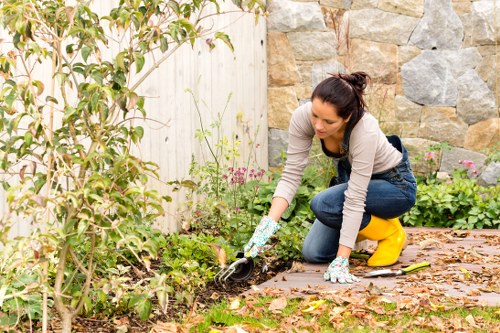 A major part of our sustainability plan is careful waste separation at source. Where possible, we keep organic waste separate from packaging, plastics, and inert materials so that each stream can follow the most suitable recycling path. This is especially relevant in areas served by borough collections that place strong emphasis on sorting recyclables correctly. Our team works with that mindset on every project, whether the job involves hedge trimming, planting preparation, or the clearance of overgrown beds. The aim is simple: reduce contamination and improve the quality of recyclable material.
We also consider reusable options before single-use solutions. For example, durable storage tubs, reusable sacks, and low-waste wrapping help reduce the amount of disposable material associated with garden work. Where mulch, compost, or soil can be reused safely, we look for opportunities to keep those materials in circulation. This practical form of sustainable gardening helps conserve resources while lowering the environmental footprint of routine maintenance.
Our sustainability choices extend to the tools and vehicles used on the job.  We are committed to low-emission transport and more efficient scheduling, which cuts down unnecessary mileage between sites. By choosing routes carefully and combining nearby jobs where practical, we reduce fuel use without compromising the quality of work. These small operational decisions make a real difference over time, especially in a busy local area where garden care needs to be both flexible and environmentally aware.
Partnerships, Recovery, and Responsible Reuse
Another important element of the service is our partnership approach. We support and collaborate with charities and community-focused organisations whenever suitable items can be donated or repurposed rather than discarded. Reusable pots, garden tools in workable condition, planters, timber pieces, and decorative items may sometimes be suitable for onward use. This adds social value to our recycling efforts and helps extend the life of materials that still have practical use. Such partnerships also reflect a wider sustainability ethic: giving resources a second life before considering disposal.
For non-donatable waste, we seek the most responsible route available. Green waste can often be directed towards composting or biomass recovery, while selected inert materials may be sorted for aggregate recycling. In some cases, mixed loads require careful segregation so that recoverable items are not lost in general waste. This is where trained handling and local processing knowledge become essential. Gardeners Harrow on the Hill uses sensible sorting methods to align garden maintenance with the borough’s broader approach to waste reduction.
We also place value on educating our own process rather than turning the article into a guide. That means building sustainability into everyday operations: selecting refillable consumables where possible, reducing packaging, and avoiding excess material movement. It is a straightforward philosophy, but it supports meaningful improvements in resource efficiency. For customers seeking garden waste recycling in Harrow on the Hill, this is a dependable way to keep outdoor spaces tidy while lowering environmental impact.
Low-Carbon Transport and Cleaner Operations
 Transport is one of the most visible parts of any garden service, so we have invested in low-carbon vans that help reduce emissions on local journeys. These vehicles are chosen for better fuel efficiency and lower output, making them a strong fit for short-distance work across Harrow on the Hill and surrounding districts. Where electric or hybrid vehicles are practical, we prioritise them; where other low-emission options are more suitable, we use them as part of a measured transition toward cleaner operations. The result is a more sustainable service footprint without sacrificing reliability.
Low-carbon transport also pairs well with smarter logistics. By planning collection days efficiently, we can reduce repeat visits and avoid unnecessary idling. That benefits the environment and improves the overall flow of work. For clients, it means a garden service that is not only tidy and responsive, but also mindful of the emissions created along the way. In an area where local environmental standards increasingly matter, these choices are an important part of responsible garden maintenance.
Building a Greener Routine
 Sustainability is not a single action but a routine made up of many smaller decisions. From separating recyclable garden material to using transfer stations, from supporting charities to operating low-carbon vans, Gardeners Harrow on the Hill aims to make each stage of the service more environmentally considered. We also stay in step with borough-level waste separation expectations, which encourages better sorting and more efficient recycling outcomes across the area.
Gardeners Harrow on the Hill recycling practices are designed to be practical, local, and responsible. By keeping materials in use for longer, reducing contamination, and using lower-emission transport, we support a cleaner approach to garden care that aligns with modern sustainability standards. Whether the task is routine maintenance or a larger clearance, our focus remains the same: helping Harrow on the Hill stay greener, tidier, and better prepared for the future.